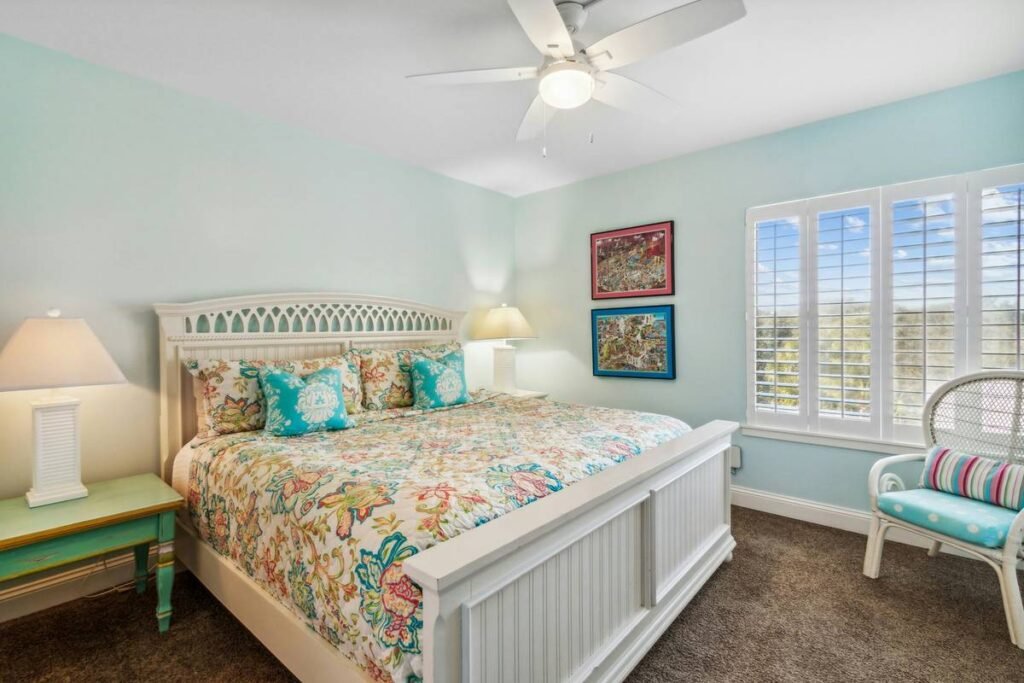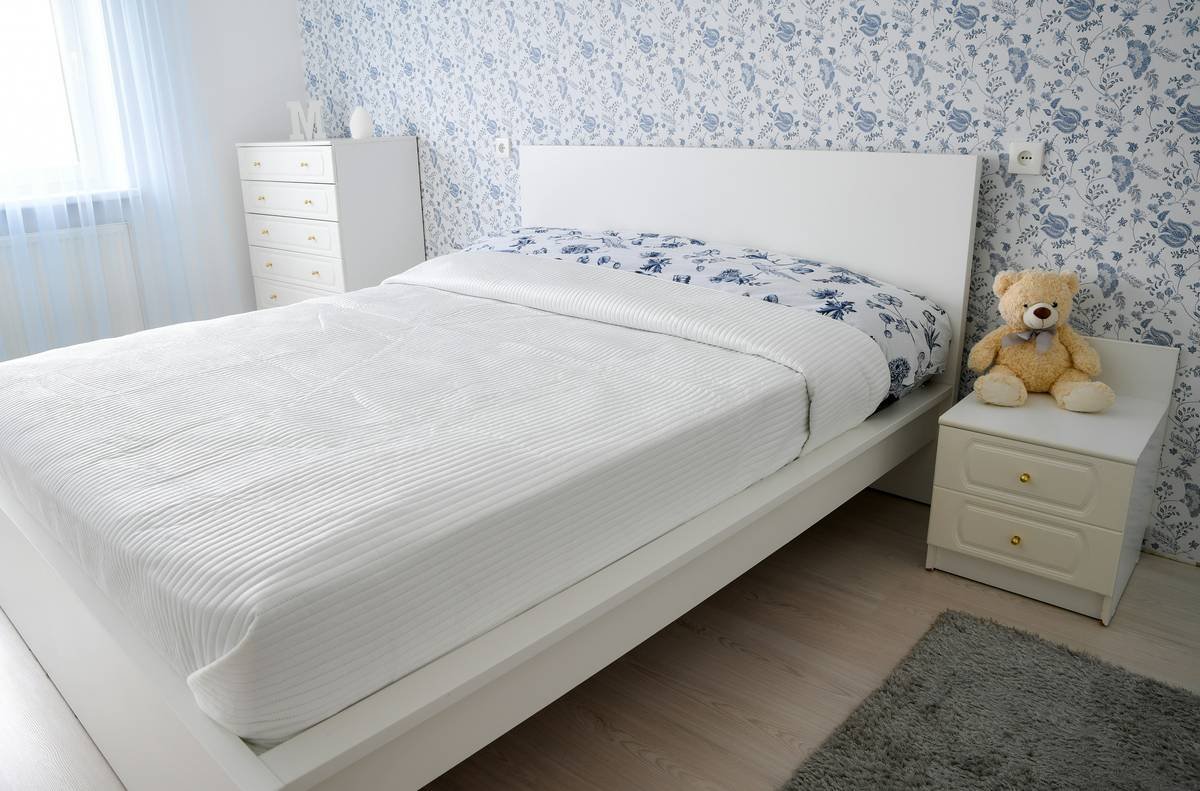
Ever walked into a room and instantly felt like you’d stepped onto a sun-drenched porch in Nantucket—even though you’re 300 miles from the ocean? Yeah, that’s not magic. That’s coastal style furniture doing its thing.
If you’ve been scrolling Pinterest at 2 a.m., drooling over whitewashed dressers and rope-wrapped mirrors but wondering, “What is coastal style furniture, really—and how do I get it without turning my home into a tacky seaside souvenir shop?”—you’re not alone. I once painted an entire living room seafoam green thinking it was “coastal chic.” Spoiler: It looked like a dentist’s waiting room circa 2003.
In this guide, we’ll cut through the driftwood-clad noise. You’ll learn exactly what defines coastal furniture, how to distinguish authentic coastal style from generic “beach decor,” where to source pieces that won’t warp in humidity, and how to blend this aesthetic into inland homes without looking like you’re cosplaying as a mermaid.
Table of Contents
- Key Takeaways
- What Is Coastal Style Furniture, Really?
- How to Identify and Choose Coastal Furniture
- Best Practices for Styling Coastal Furniture
- Real-World Coastal Furniture Case Study
- FAQs About Coastal Style Furniture
Key Takeaways
- Coastal style furniture emphasizes natural materials, light colors, and relaxed silhouettes—not seashells glued to everything.
- Authentic coastal design originates from East Coast (Hamptons, Cape Cod) and West Coast (California Bungalow) traditions—not just “ocean-themed” decor.
- Durability matters: Real coastal furniture uses moisture-resistant woods like teak or acacia.
- You don’t need ocean views to pull off this look—just restraint, texture, and tonal harmony.
What Is Coastal Style Furniture, Really?
Let’s kill the myth first: Coastal style furniture isn’t about anchor motifs, life preservers on the wall, or blue-and-white striped everything. That’s theme decor—not design. True coastal style is rooted in architecture and lifestyle: think breezy porches, salt-air patinas, and the easy elegance of homes built near the water.
As someone who’s restored two beach houses—one in Newport, Rhode Island, and another near Laguna Beach—I’ve seen firsthand how real coastal interiors evolve. They’re born from necessity: resisting humidity, reflecting sunlight, and embracing imperfection. The wood warps slightly? Good. It tells time.
According to the American Society of Interior Designers (ASID), coastal aesthetics prioritize “serenity through simplicity” and derive influence from both nautical function and regional craft. East Coast coastal leans crisp and refined (think Hamptons white wicker), while West Coast embraces organic textures and earth tones (hello, California driftwood dining tables).
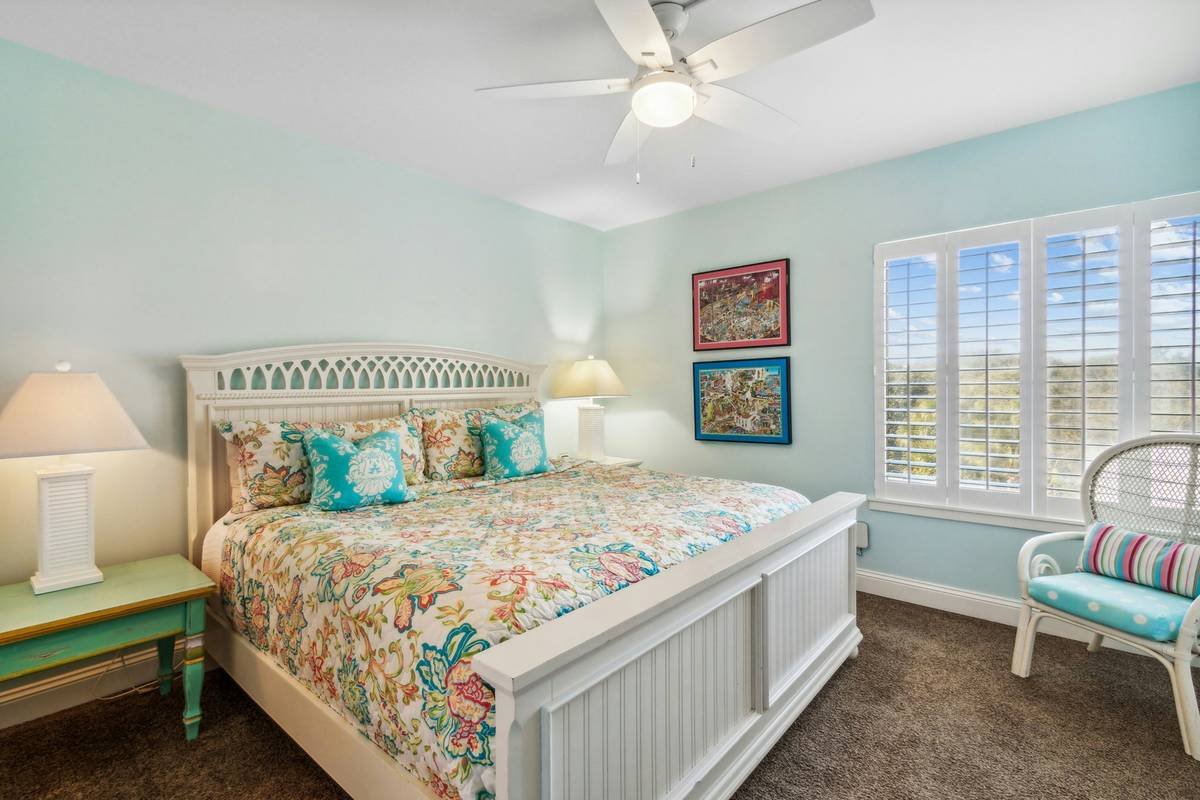
Optimist You: “This sounds dreamy!”
Grumpy You: “Ugh, fine—but only if I don’t have to sand another piece of reclaimed wood at midnight.”
How to Identify and Choose Coastal Furniture
Is It Coastal—or Just Blue and Hopeful?
Ask yourself: Does it feel calm, airy, and texturally rich? Or does it scream “I bought this at a boardwalk kiosk”? Genuine coastal furniture avoids loud graphics. Instead, it relies on:
- Pale neutrals: Oatmeal, sandy beige, oyster white—not stark hospital white.
- Natural fibers: Rattan, seagrass, jute, and linen.
- Weathered finishes: Whitewashed or gray-washed wood with visible grain.
- Gentle curves: Think rounded armrests, oval mirrors, tapered legs.
Mind the Wood (Seriously)
Not all wood survives coastal climates. Pine? Warps like crazy near humidity. Teak, acacia, and eucalyptus? Built for it. When sourcing, check for kiln-dried certification—this reduces moisture absorption by up to 40% (per the Forest Products Laboratory).
Upholstery That Won’t Melt
Performance fabrics are your BFF. Sunbrella® or Crypton® linens resist fading, mildew, and pet claws—yes, even from your overexcited golden retriever after a beach run.
Best Practices for Styling Coastal Furniture
You’ve got the pieces. Now don’t blow it with bad styling.
- Layer textures, not colors. Mix rattan chairs with a linen sofa and a wool rug in oatmeal. Monotone ≠ boring when texture does the talking.
- Keep metal minimal—and matte. Brushed nickel or unlacquered brass ages beautifully; shiny chrome screams cruise ship bathroom.
- Bring in subtle blues… sparingly. A single ceramic vase in “sea glass” green or a throw pillow in faded indigo adds depth—without turning your space into a sailor’s nightmare.
- Avoid the “terrible tip”: Don’t match everything. Perfectly coordinated sets look staged. Real coastal homes mix eras—a vintage campaign desk next to a modern slipcovered chair says “collected over time,” not “catalog copy.”
Real-World Coastal Furniture Case Study
Last summer, I redesigned a client’s Denver condo (yes, Denver) using coastal principles. No ocean. No humidity. Just mountain air and skepticism.
We started with a foundation: a whitewashed oak dining table (sealed for dry climates), paired with black-stained cane-back chairs for contrast. Upholstered seating used performance linen in warm white. Then came the magic: layering.
- Rug: Handwoven jute with slight variation in tone
- Lighting: Paper pendant + unlacquered brass sconces
- Accents: Driftwood bowl, ceramic vases in soft blues and greens
The result? Her friends kept asking, “Did you vacation somewhere amazing recently?” Nope—just nailed the vibe. Within three months, she listed her place for rent as a “tranquil retreat” and booked solid through fall on Airbnb.
FAQs About Coastal Style Furniture
Is coastal furniture only for beach houses?
Nope. Its calming palette and natural materials work anywhere—especially in urban lofts or desert homes craving serenity.
Can I use dark wood in coastal style?
Sparingly. A walnut sideboard can ground a light room, but avoid overwhelming the space. Stick to one dark anchor piece max.
How do I clean rattan coastal furniture?
Vacuum with a brush attachment weekly. For spills, dab (don’t soak!) with a damp cloth and mild soap. Never steam-clean—it weakens the fibers.
Is “coastal grandma” the same as coastal style?
“Coastal grandma” is a TikTok-coined trend emphasizing linen, pearls, and effortless luxury—but it’s rooted in classic coastal design. Think of it as coastal style’s chic older sister who vacations in St. Barths.
Conclusion
So—what is coastal style furniture? It’s not a theme. It’s a feeling: relaxed, grounded, effortlessly elegant. It’s teak that’s survived salt spray, linen that breathes in summer heat, and rooms that invite you to kick off your sandals and stay awhile.
Forget the plastic lobsters. Focus on authenticity, material integrity, and tonal harmony. Whether you’re oceanside or landlocked, this aesthetic brings calm wherever it goes.
Now go forth—and may your coffee table never look like it belongs in a tiki bar.
Like a Tamagotchi, your interior needs daily attention—except instead of feeding, you’re curating vibes.
Driftwood bones,
Linen sighs in sea-salt air—
No anchors needed.