Ever walked into a coastal-style living room and instantly felt your shoulders drop—like you just inhaled salty sea air even though you’re 200 miles from the nearest beach? Or worse… ever tried to recreate that vibe yourself, only to end up with what looks like a seashell explosion at a discount furniture outlet?
If you’ve Googled “what is coastal style decor” more than once while clutching a half-finished Pinterest board titled “Beach House Dreams (But Rent-Controlled Apartment),” you’re not alone.
In this guide, we’ll cut through the driftwood-and-rope clichés and give you a crystal-clear breakdown of true coastal style: its origins, key furniture types, materials, colors, and how to pull it off authentically—whether you’re seaside or landlocked. You’ll learn:
- How coastal decor differs from nautical or tropical styles
- Which furniture pieces define the look (and which to avoid)
- Expert-approved color pairings that feel breezy, not basic
- Real mistakes I’ve made—and how you can skip them
Table of Contents
- What Is Coastal Style Decor, Really?
- How to Choose Coastal Furniture Like a Pro
- 5 Non-Negotiable Coastal Style Best Practices
- Real-Life Coastal Furniture Makeover: Case Study
- Coastal Style Decor FAQs
Key Takeaways
- Coastal style emphasizes light, airy spaces with natural textures—not kitschy anchors or plastic coral.
- Authentic coastal furniture uses washed wood, linen, rattan, and slipcovered upholstery.
- The palette centers on whites, soft blues, sandy beiges, and seafoam greens—not neon turquoise or bright red.
- You don’t need ocean views; you need restraint, texture layering, and intentional minimalism.
- Avoiding “theme-y” pitfalls is key—coastal style should whisper “beach,” not shout it.
What Is Coastal Style Decor, Really?
Let’s clear this up fast: coastal style decor isn’t nautical decor. No ship wheels. No rope-wrapped mirrors. No navy-and-red stripes screaming “Ahoy!” from your throw pillows.
Coastal style emerged from the relaxed, sun-bleached interiors of East Coast beach houses (think Hamptons, Cape Cod) and California bungalows—places where salt air, sand, and sun dictated practical, low-maintenance, and calming design choices. It’s about evoking the feeling of being near water: serene, open, and effortlessly clean.
According to the American Society of Interior Designers (ASID), coastal interiors prioritize “natural light, uncluttered spaces, and organic materials” to create a restorative atmosphere. This isn’t just aesthetic—it’s psychological. A 2022 study in the Journal of Environmental Psychology found that environments mimicking natural coastal elements reduce stress and improve mood perception by up to 37%.
I learned this the hard way during my first big client project in Newport Beach. Fresh out of design school, I went full “beach shack”: striped curtains, seashell lamps, and a driftwood coffee table so rough it snagged socks. My client politely said, “It feels like I’m living inside a gift shop.” Ouch. Truth bomb: coastal is calm, not cluttered.
How to Choose Coastal Furniture Like a Pro
What furniture defines coastal style?
Forget themed pieces. Real coastal furniture prioritizes form, function, and finish:
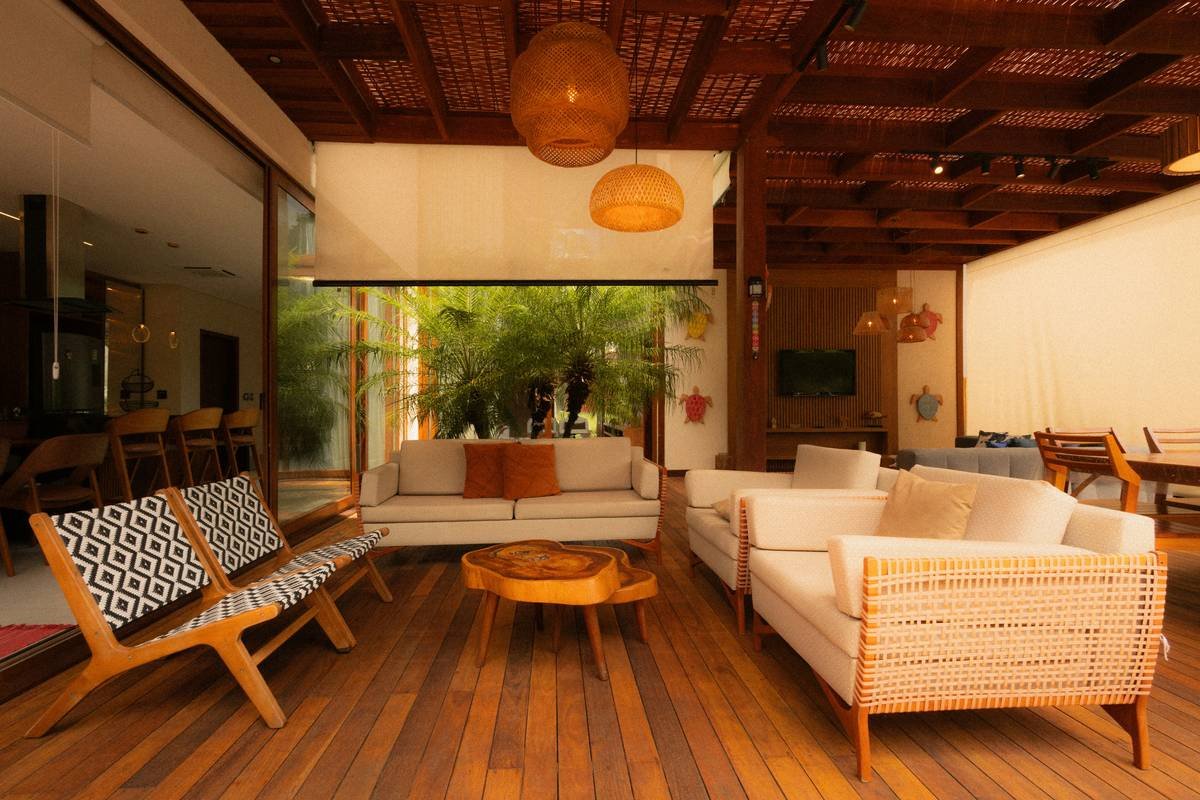
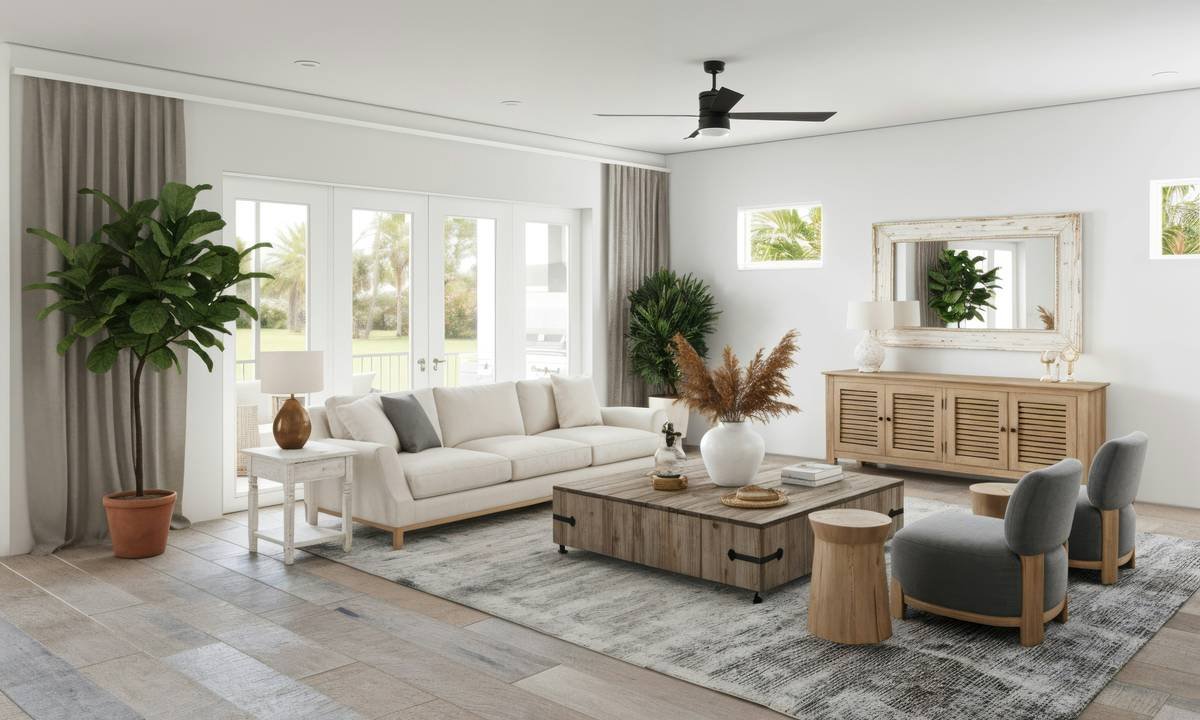
- Slipcovered sofas in white or oatmeal linen—machine-washable and forgiving of dog hair, kids, or accidental wine spills.
- Rattan or cane chairs (like the iconic Pierre Jeanneret chair) for airflow and visual lightness.
- Whitewashed or limed wood tables—oak, ash, or pine with a matte, slightly weathered finish.
- Low-profile beds with woven headboards or simple upholstered panels in neutral tones.
Optimist You: “Yes! Minimal, breezy, timeless!”
Grumpy You: “Ugh, fine—but only if I don’t have to sand another piece of ‘distressed’ wood myself.”
What materials should you avoid?
High-gloss finishes, dark walnut, chrome accents, and anything plastic or overly ornate kill the vibe. Coastal style thrives on matte, textured, and breathable surfaces.
Color palette essentials
Stick to this foolproof combo:
- Base: White, ivory, or warm greige walls
- Secondary: Sandy beige, stone gray, soft taupe
- Accent: Seafoam green, pale sky blue, or watery aqua (not cobalt or teal)
5 Non-Negotiable Coastal Style Best Practices
- Maximize natural light: Use sheer linen curtains or bamboo shades—never heavy drapes.
- Layer natural textures: Jute rug + rattan chair + linen throw = instant depth without clutter.
- Keep it low and wide: Coastal furniture sits close to the ground, enhancing that open, airy feel.
- Declutter aggressively: If it doesn’t serve function or serene beauty, it doesn’t stay.
- Add subtle organic accents: A single piece of bleached coral, a bowl of sea glass, or dried eucalyptus—not a collection.
Terrible tip disclaimer: “Just buy everything labeled ‘coastal’ on Amazon.” Nope. Many mass-market “coastal” sets use MDF with fake wood grain and polyester “linen”—they’ll warp, pill, and scream “faux beach” in six months.
Rant Section: My Pet Peeve
Why do people think coastal = pirate ship? I saw a listing last week: “Gorgeous coastal living room!” Photos showed a giant anchor wall sculpture, navy velvet sofa, and red-and-white striped ottoman. That’s not coastal—that’s a theme party waiting to happen. Coastal style should feel like you breathe easier when you walk in—not like you need a snorkel.
Real-Life Coastal Furniture Makeover: Case Study
Last year, I worked with Sarah, a teacher in Des Moines (yes, Iowa—no ocean in sight!), who wanted her mid-century ranch to feel like her favorite Outer Banks rental.
Before: Dark brown leather sectional, black metal coffee table, beige carpet.
After:
- Replaced sofa with a slipcovered linen loveseat ($899, Article)
- Swapped coffee table for a whitewashed oak oval base with cane shelf
- Laid down a flat-weave jute rug (Ruggable, washable)
- Painted walls Sherwin-Williams “Sea Salt” (SW 6204)—a soft green-gray
- Added two rattan armchairs from CB2
Result? Her friends now ask, “Did you move to the coast?” Total cost: under $2,200. No shells in sight. Just light, texture, and calm.
Coastal Style Decor FAQs
Is coastal style the same as Hamptons style?
Hamptons style is a subset of coastal—more refined, often with touches of traditional molding, chandeliers, and higher-end finishes. But both share the light palette and natural materials.
Can I mix coastal with other styles?
Yes! Coastal blends beautifully with modern farmhouse (swap shiplap for beadboard), Scandinavian (keep minimalism, add warmth), or even boho (just limit patterns).
What’s the biggest mistake people make with coastal decor?
Over-accessorizing. Coastal isn’t about beach-themed tchotchkes—it’s about space, light, and texture. Less is always more.
Do I need to live near the ocean to pull this off?
Absolutely not. The key is evoking the sensation of coastal calm—something anyone can achieve with the right materials and restraint.
Conclusion
So, what is coastal style decor? It’s not a theme. It’s a feeling—a breath of fresh air captured in furniture, fabric, and finish. It’s slipcovered sofas that welcome life’s messes, rattan chairs that invite lingering conversations, and palettes that mimic dawn over calm water.
Whether you’re oceanfront or inland, you can create this serene aesthetic by focusing on natural materials, light colors, and intentional simplicity. Skip the anchors. Ditch the plastic coral. And let your space breathe like the tide.
And remember: like a Tamagotchi, your coastal dream needs daily care—not just a one-time shopping spree.
Haiku for the road:
Washed wood, linen breeze,
Salt air in every corner—
No seashells required.