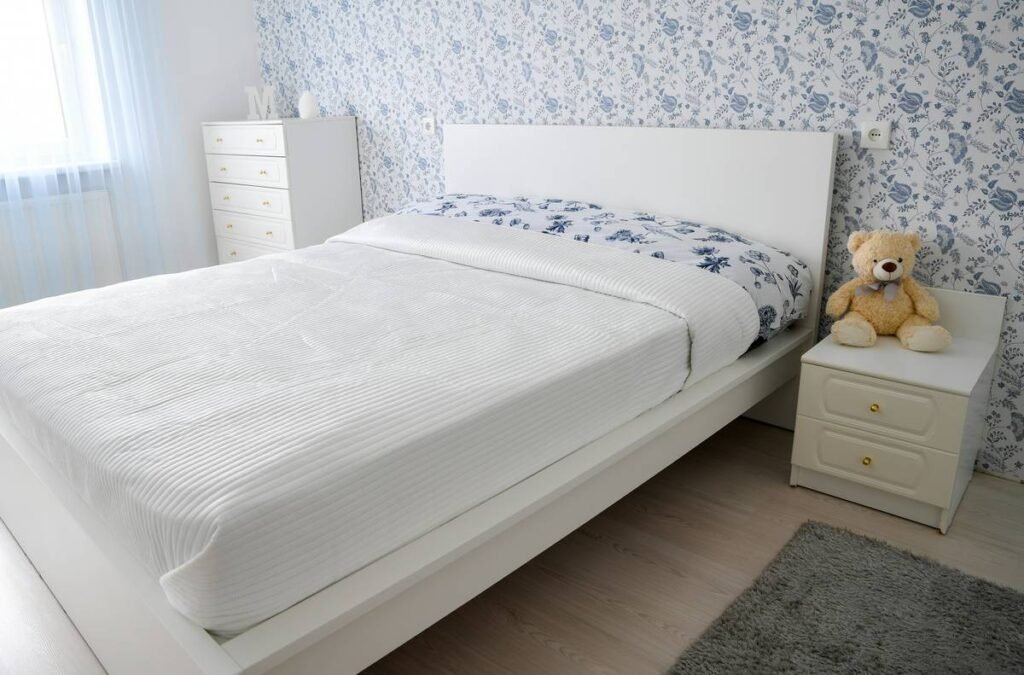
You love the idea of coastal furniture—light, breezy, relaxed. But your last attempt looked like a seaside gift shop exploded in your living room. Too much rope, too many anchors, zero sophistication. The problem isn’t the style—it’s how it’s executed. Real interior design coastal style isn’t about literal nautical clichés. It’s about atmosphere, texture, and restraint. Here’s how to get it right without ending up on a bad HGTV rerun.
Why Most Coastal Interiors Fail Miserably
People confuse “coastal” with “nautical.” Big mistake. Draping your space in ship wheels and coral prints screams “rental property,” not refined retreat. True coastal design borrows from ocean-adjacent environments—not souvenir stalls. And humidity? Salt air eats cheap finishes for breakfast. If your furniture warps or fades within a year, you didn’t choose for performance—you chose for Instagram.
Worse? Many designers slap whitewashed wood on everything and call it a day. That’s not coastal—that’s lazy.
How to Build Authentic Interior Design Coastal Style (Without the Kitsch)
Forget matching sets. Forget thematic overload. Real coastal interiors thrive on curated imperfection. Here’s the step-by-step:
Start With a Neutral Anchor Palette
Think sand, driftwood, fog—not neon aqua or sun-bleached red. Base layers should be warm whites, soft taupes, and greiges with subtle green or blue undertones. These mimic natural coastal light without screaming “BEACH!”
Layer Textures—Not Themes
Rattan, linen, jute, oak, stone. Mix organic materials that feel weathered but intentional. A smooth sea-worn pebble on a rough-hewn coffee table? Perfect. A plastic lighthouse lamp? Trash it.
Prioritize Performance Materials
If you live near saltwater—or even just in high humidity—skip particleboard and veneers. Go solid hardwoods (teak, white oak), marine-grade plywood, or powder-coated aluminum for outdoor-adjacent zones.
| Material Type | Durability Near Salt Air | Aesthetic Fit for Coastal Style | Cost Range (per piece) |
|---|---|---|---|
| Solid Teak | Excellent (naturally oily, resists rot) | High—warm, golden grain reads as organic luxury | $800–$2,500 |
| Marine-Grade Plywood | Very Good (bonded with waterproof glue) | Moderate—best when finished with matte sealant | $300–$900 |
| White Oak (sealed) | Good—with proper finish; reseal annually | High—clean lines, pale grain echoes driftwood | $500–$1,800 |
| Pressed Board/Veneer | Poor—swells, delaminates fast | Low—even when styled well, feels temporary | $100–$400 |
The Industry Secret: Coastal Is About Light—Not Decor
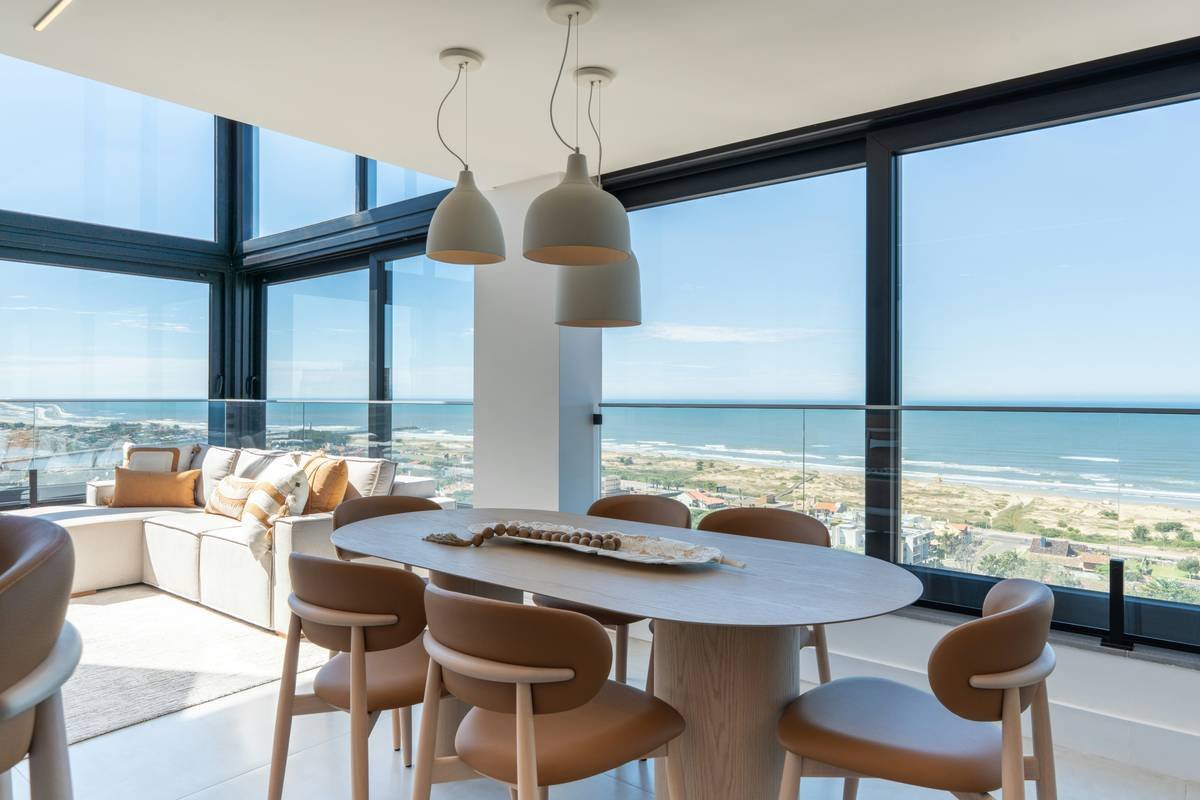
Here’s what top designers won’t tell you: coastal style lives or dies by how light moves through the space. You can have all the right pieces—but if your windows are choked with heavy drapes or your layout blocks cross-breezes, it’ll feel stuffy, not serene.
I worked with a client in Miami who spent $20K on “coastal” furniture. Her space still felt like a dentist’s waiting room. We swapped dark blinds for sheer roller shades, added mirrored surfaces to bounce daylight deeper inside, and rearranged seating to face natural airflow paths. No new furniture. Just physics. Instant transformation.
Remember: the ocean doesn’t decorate. It erodes, polishes, and simplifies. Your job is to echo that process—not replicate a postcard.
Frequently Asked Questions
Is coastal style the same as nautical style?
No. Nautical uses overt maritime symbols (ropes, anchors). Coastal emphasizes natural textures, light, and airy minimalism inspired by shorelines—without literal decor.
Can I use color in coastal interior design?
Yes—but sparingly. Soft blues, greens, or sandy pinks work as accents. Keep 90% of your palette neutral to maintain calm. One saturated pillow? Fine. An entire cobalt wall? Not coastal.
Does coastal furniture work inland?
Absolutely. Coastal style is about mood, not geography. If you crave open, relaxed, light-filled spaces—anywhere—you can adapt it. Skip salt-resistant materials unless needed.