You love the idea of a coastal style living room—light, airy, serene. But after scrolling through Pinterest, you’re drowning in weathered wood, rope-wrapped mirrors, and seashell everything. It feels like a beach gift shop exploded in your home. And worse? It lacks sophistication. The good news: authentic coastal design isn’t about literal nautical props. It’s about atmosphere, texture, and restraint.
Why Most Coastal Interiors Miss the Mark
They confuse “beachy” with “coastal.” Big difference. Beachy leans kitsch—anchor throws, ship wheels on walls, blue-and-white stripes ad nauseam. Coastal style living rooms, when done right, evoke ocean light and sea breezes without screaming “theme park.”
Mass retailers push generic versions because they’re easy to produce—not because they reflect real coastal homes. In actual seaside locales—from Maine to Malibu—the interiors are understated, layered, and deeply textural.
And here’s the kicker: too much uniformity kills the vibe. Real coastal spaces embrace asymmetry, worn-in comfort, and local character. Not catalog replication.
How to Build a Genuine Coastal Style Living Room
Forget matchy-matchy furniture sets. Authentic coastal style thrives on curated imperfection. Start with these foundational layers—and skip the souvenir-shop tropes.
Start With a Neutral Base—But Not Beige
Think soft whites, warm greys, and sandy taupes—not sterile off-whites. These hues mimic natural dune grasses and sun-bleached driftwood. Layer them vertically: lighter walls, mid-tone floors, deeper seating.
Prioritize Natural Materials Over Nautical Motifs
Rattan, jute, linen, oak, and stone > plastic rope and fake coral. Texture creates depth; props create clutter. A woven seagrass rug grounds the space far better than a sailboat painting ever could.
Use Blue Sparingly—Like the Ocean at Dusk
Real coastal palettes use blue as an accent—not the main event. Think indigo throw pillows, a single cerulean ceramic vase, or navy drapery lining. Overuse reads like a nursery.

Let Light Do the Work
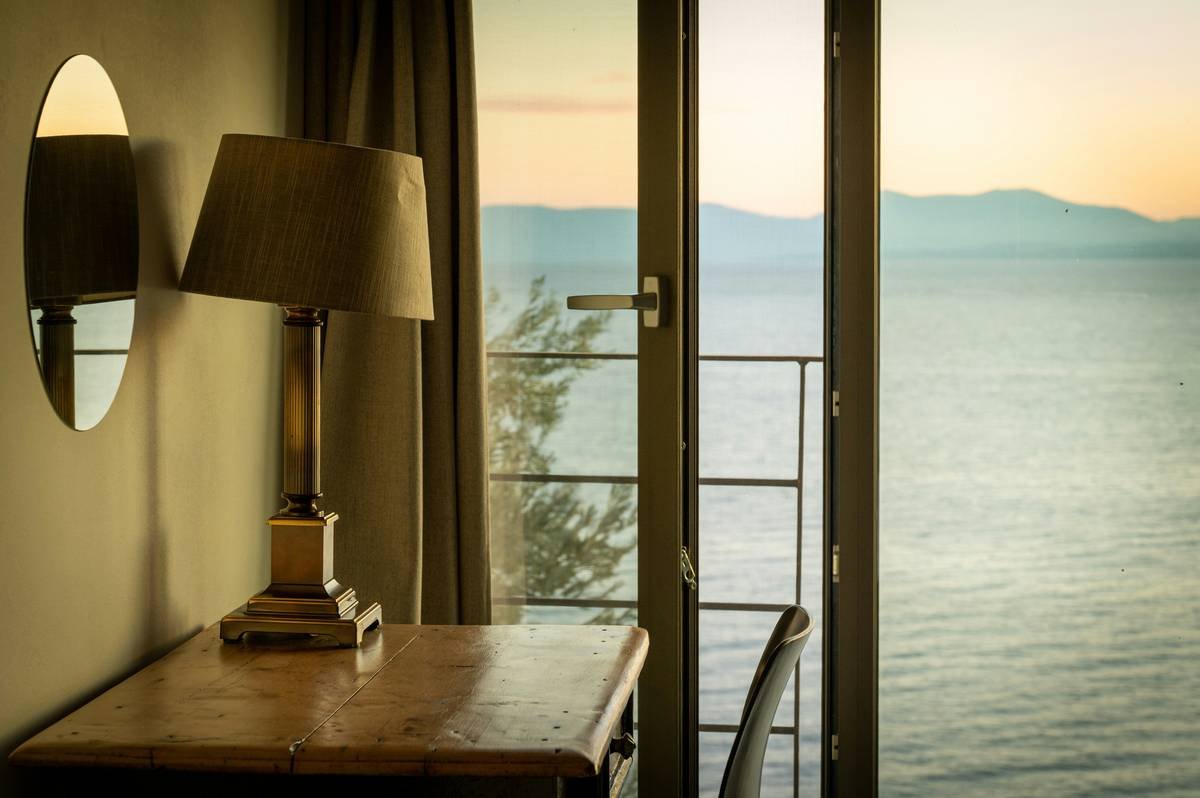
Sheer linen curtains. Unfussy window treatments. Mirrors placed to bounce daylight—not to mimic portholes. The goal? Airiness, not decoration.
| Element | Amateur Move | Pro Approach |
|---|---|---|
| Furniture Finish | Distressed white paint on every piece | Mix of raw oak, bleached teak, and matte black metal |
| Color Palette | 50% navy, 30% white, 20% red (hello, yacht club) | 70% warm neutrals, 20% soft greens/greys, 10% deep blue |
| Accessories | Glass buoys, starfish, lighthouse figurines | Hand-thrown pottery, vintage books, dried botanicals |

The Industry Secret: Borrow from Mediterranean and Scandinavian Design
Top interior stylists don’t look to Florida condos for inspiration—they study Greek island homes and Danish summer cottages. Both prioritize simplicity, function, and a dialogue with nature.
Greek interiors use limewashed walls that absorb and soften light—perfect for mimicking that hazy coastal glow. Scandinavians master minimalist comfort with low-profile sofas and organic textiles. Blend these, and you get a coastal style living room that feels timeless, not trend-bound.
Here’s the reality: coastal design isn’t regional—it’s atmospheric. You can pull it off inland if you understand light, material honesty, and visual breathing room.
Frequently Asked Questions
Can I have a coastal style living room if I don’t live near the ocean?
Absolutely. It’s about mood, not geography. Focus on light-filled spaces, natural fibers, and a restrained palette—not location-based souvenirs.
What’s the biggest mistake people make with coastal furniture?
Buying matching sets labeled “coastal.” Real coastal homes mix eras and materials. One vintage wicker chair beats three identical “beach” side tables.
Is white furniture necessary for a coastal look?
No. Bleached woods, soft greys, and even dark-stained oak work—if balanced with plenty of texture and light. White is a tool, not a rule.