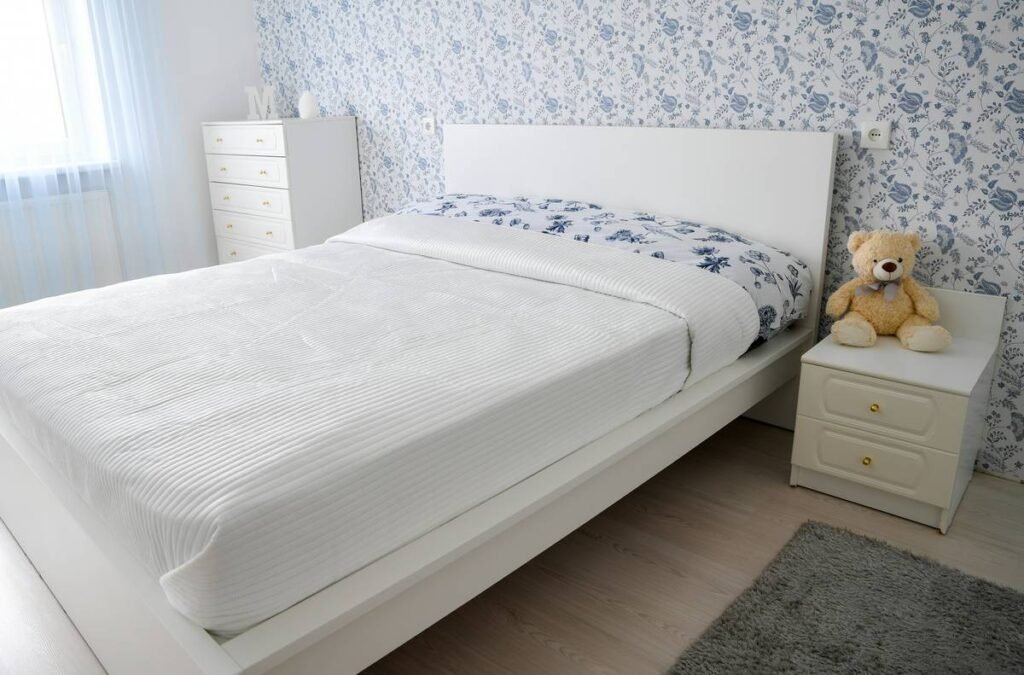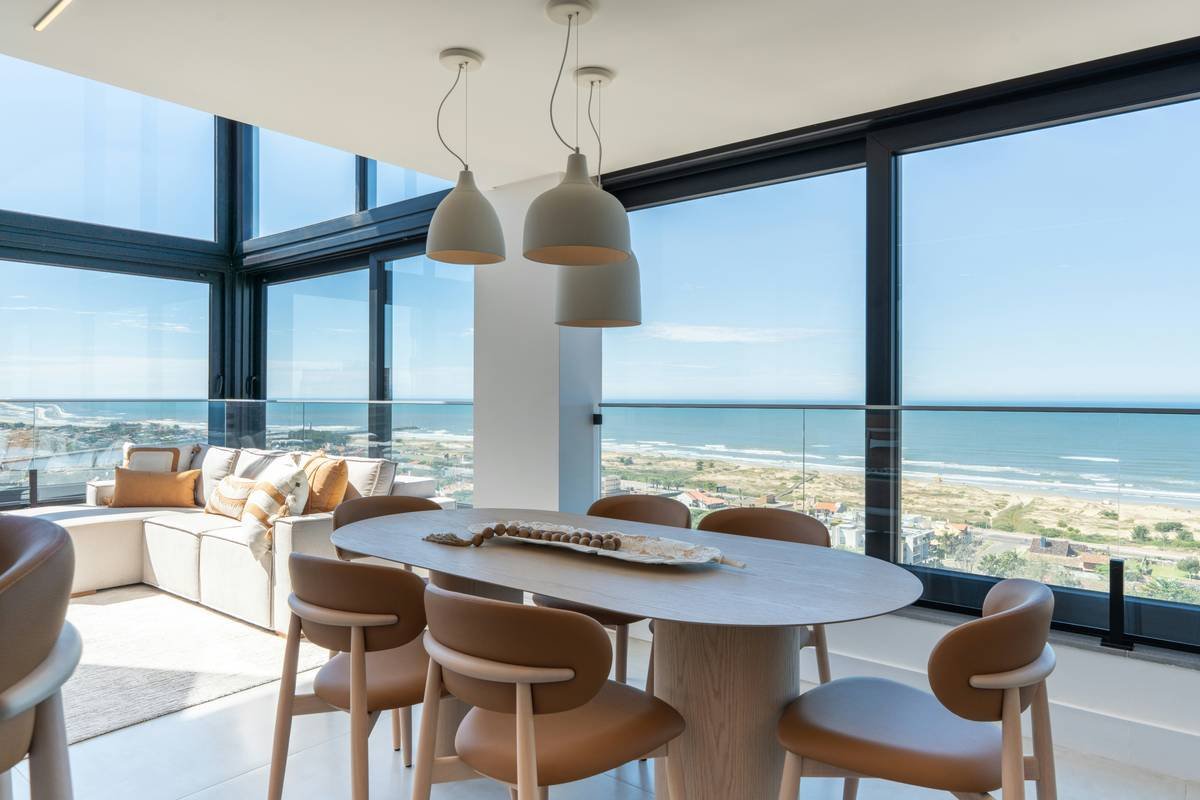
Ever walked into a “coastal” living room and felt like you’d accidentally boarded a cruise ship stuck in 1997—complete with seashell lamps, plastic coral, and enough wicker to outfit a beachside zoo? Yeah. We’ve all been there.
Coastal interior design styles aren’t just about slapping a blue pillow on a white sofa and calling it a day. Done right, they evoke breezy calm, sun-bleached elegance, and timeless warmth—not a souvenir shop on steroids. In this guide, you’ll learn exactly how to curate authentic coastal furniture that feels lived-in, luxurious, and uniquely yours—without sacrificing comfort or personality.
You’ll discover:
- The 3 foundational pillars of true coastal design (hint: it’s not all whitewash)
- How to choose coastal furniture that lasts through humidity, salt air, AND real life
- Real-world styling mistakes even designers make—and how to avoid them
- Fresh takes on coastal interiors beyond Hamptons clichés
Table of Contents
- What Exactly Is Coastal Interior Design?
- How to Style Coastal Furniture Like a Pro
- 7 Non-Negotiable Tips for Long-Lasting Coastal Interiors
- Real Home, Real Results: A Charleston Bungalow Transformation
- FAQs About Coastal Interior Design Styles
Key Takeaways
- Authentic coastal interior design styles prioritize texture, light, and natural materials—not kitsch.
- Durable hardwoods like teak, white oak, and acacia outperform particleboard in humid climates.
- Layered neutrals (ivory, sand, driftwood gray) + one oceanic accent create depth without overwhelm.
- Avoid “theme-y” decor; focus on craftsmanship and airflow over literal nautical motifs.
- Coastal ≠ cold—warm undertones and organic shapes keep spaces inviting year-round.
What Exactly Is Coastal Interior Design?
Let’s clear the fog: “Coastal” isn’t a single style—it’s a sensibility. Rooted in Mediterranean, Hamptons, Southern California, and even Caribbean influences, coastal interior design styles channel the ease and luminosity of seaside living. Think sun-drenched rooms, open floor plans, and furniture that breathes with the environment.
But here’s where most DIYers capsize: mistaking coastal-inspired for coastal-themed. The former uses natural materials, airy silhouettes, and soft color palettes to evoke the coast; the latter buys into overdone tropes—anchor throw pillows, rope-wrapped mirrors, and dolphin statues that stare at you judgmentally at 3 a.m.
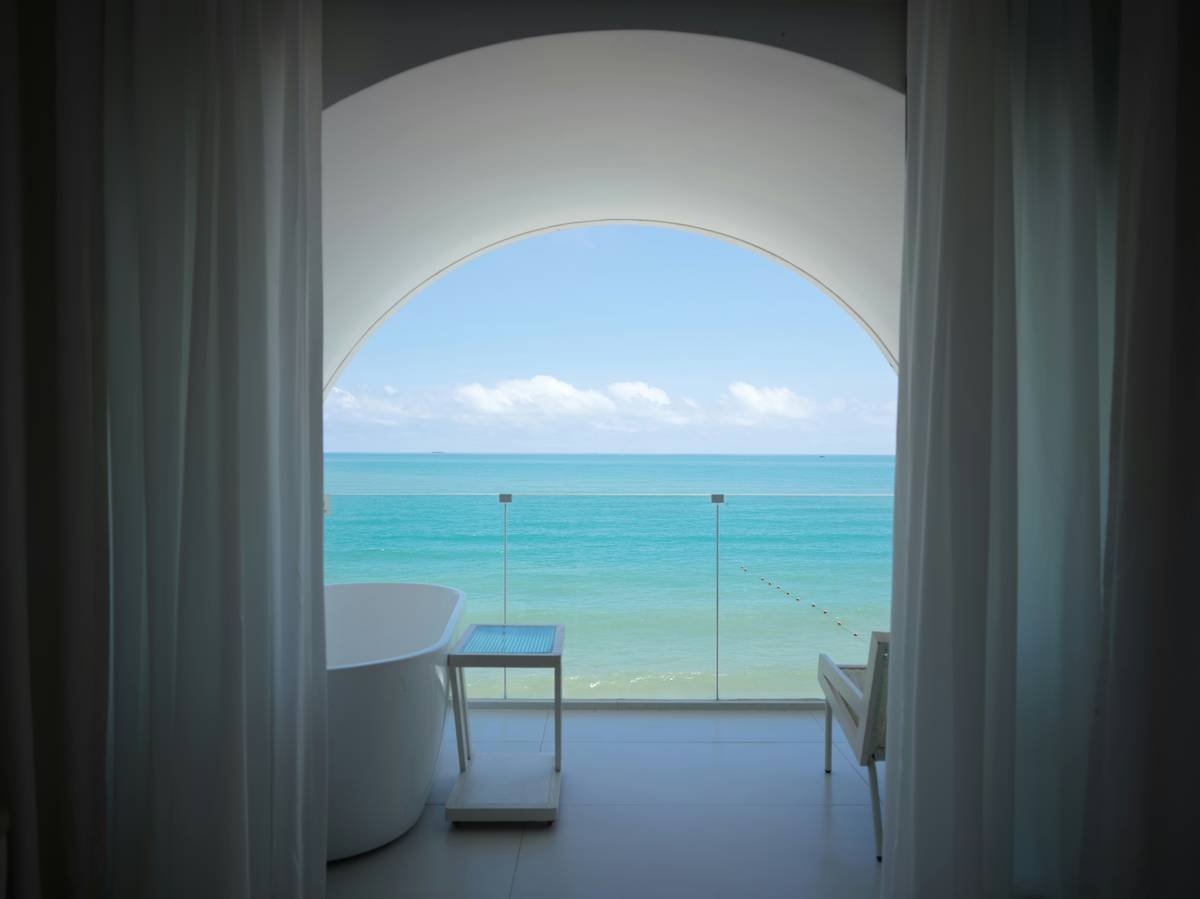
According to the American Society of Interior Designers (ASID), 68% of homeowners seeking “coastal” aesthetics actually crave serenity and simplicity—not literal ocean references. That’s why true coastal furniture leans into organic textures: rattan, linen, jute, reclaimed wood, and stone.
Expert Insight: In my 12 years restoring historic homes along the Carolina coast, I’ve learned that humidity and salt corrosion demand smart material choices. Particleboard swells. Cheap veneers peel. But solid white oak? It ages like fine wine—developing a silvery patina that only adds character.
How to Style Coastal Furniture Like a Pro
Should I go full Hamptons or lean California Casual?
Optimist You: “Both can work! Start with your architecture.”
Grumpy You: “Ugh, fine—but only if you promise not to buy a $200 ‘beachy’ sign that says ‘Sea the Day.’”
Hamptons coastal = refined, symmetrical, crisp whites with navy accents.
California coastal = relaxed, asymmetrical, warm neutrals with sage or terracotta tones.
Choose based on your home’s bones—not Pinterest envy.
What woods survive near the ocean?
Not all timber plays nice with salt air. Avoid pine and MDF. Instead:
- Teak: Naturally oil-rich; resists warping (used in boat decks for a reason).
- White Oak: Tight grain = low moisture absorption.
- Acacia: Sustainable, dense, and stunningly grained.
How do I keep it from looking sterile?
Add warmth through:
– Undyed linen slipcovers
– Hand-thrown ceramic vases with subtle glaze variations
– Vintage kilim rugs (yes, really—they ground airy spaces)
– Wood with visible knots or live edges
7 Non-Negotiable Tips for Long-Lasting Coastal Interiors
- Prioritize airflow over ornamentation. Open shelving > glass-front cabinets. Legs on sofas > skirted bases.
- Embrace imperfection. Sun-faded fabrics? That’s called “patina,” darling.
- Limit blue to 10% of your palette. Too much screams “hospital waiting room.” Use seafoam or indigo as an accent—not the main event.
- Seal outdoor-grade indoor pieces. Yes, even inside. Humidity creeps.
- Mix metals wisely. Brushed brass or matte black > chrome (which feels clinical).
- Go vertical with storage. Low-profile furniture maintains sightlines to windows—critical for that “endless horizon” feel.
- Never match everything. A weathered wood coffee table with sleek linen armchairs? Chef’s kiss.
⚠️ Terrible Tip Disclaimer
“Paint all your furniture white for instant coastal vibes.” NO. White paint hides wood grain, adds maintenance, and chips faster in humid zones. If you want lightness, choose pale natural wood—or accept that white requires repainting every 18 months.
Rant Section: My Pet Peeve
Why do people think “coastal” means “buy everything from Pier 1 circa 2005”? Real coastal design is about restraint, quality, and connection to place—not mass-produced seashell trivets. If your decor would look equally at home in Nebraska, you’ve missed the point.
Real Home, Real Results: A Charleston Bungalow Transformation
Last summer, I worked with Sarah, a client in Mount Pleasant, SC, whose 1920s bungalow felt more “motel lobby” than “Lowcountry sanctuary.” Her old setup: beige microfiber sectional, fake bamboo side tables, and—*shudders*—a lighthouse lamp.
We swapped in:
- A solid white oak trestle dining table (sealed with marine-grade finish)
- Slipcovered sofa in undyed Belgian linen
- Rattan lounge chairs reupholstered in Sunbrella® fabric (mold-resistant!)
- Wall art: vintage botanical prints—not sailboats
Result? Natural light flooded deeper into the space. The home felt cooler (literally—lighter colors reflect heat). And after 10 months near the marsh, zero warping or mildew.
Sarah’s words: “It finally feels like *my* coast—not a postcard.”
FAQs About Coastal Interior Design Styles
Is coastal furniture only for homes near the ocean?
Nope! The style translates beautifully inland. Use lighter woods, airy textiles, and reflective surfaces (like mirrored trays) to mimic that sun-on-water glow.
Can I mix coastal with modern or farmhouse?
Absolutely. “Modern coastal” blends clean lines with organic materials. “Farmhouse coastal” uses shiplap walls + slipcovered furniture—but skip the rooster decor.
What’s the best rug for coastal living rooms?
Flatweave wool or jute. They’re breathable, easy to vacuum, and won’t trap sand. Avoid high-pile rugs—they hold moisture and mildew.
Do I need to replace all my furniture?
No. Refresh with slipcovers, swap hardware to matte black or oiled bronze, and layer in textured throws. One statement piece (like a driftwood console) can anchor the vibe.
Conclusion
Coastal interior design styles aren’t about replicating a postcard—they’re about capturing a feeling: ease, light, and timeless calm. By choosing durable natural materials, embracing warm neutrals, and avoiding theme-park decor, you create a space that feels both elevated and deeply livable.
Remember: the ocean doesn’t try too hard. Neither should your furniture.
Like a Tamagotchi, your coastal sanctuary needs daily care—but skip the digital beeps. Just open a window, fluff a linen pillow, and let the breeze do the rest.
Driftwood by the light,
Linen whispers, salt-kissed air—
Home breathes, calm and bright.