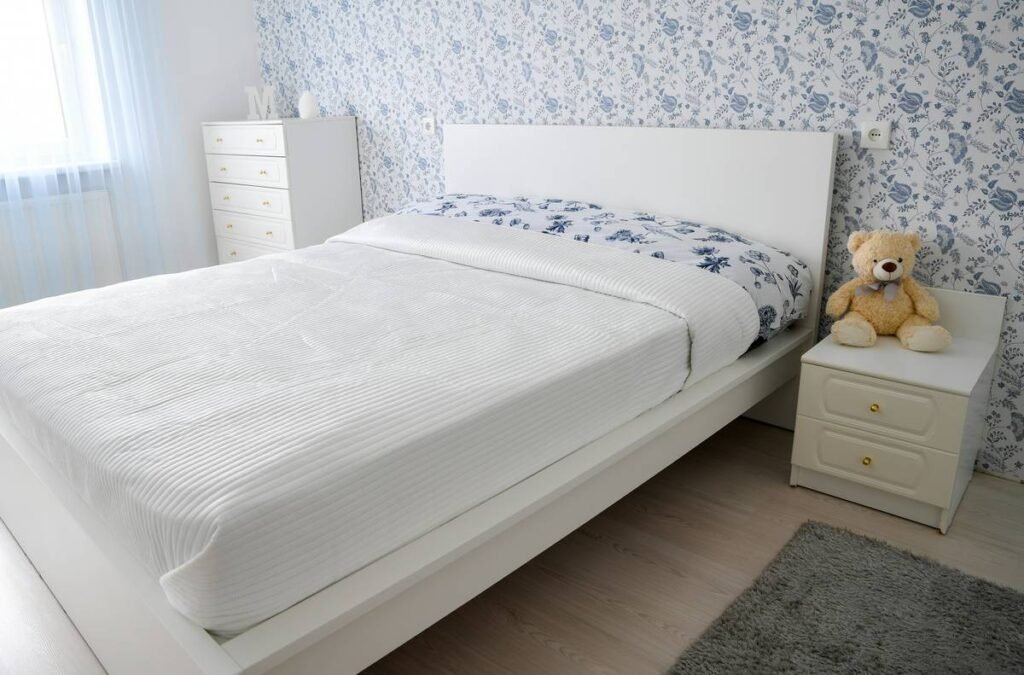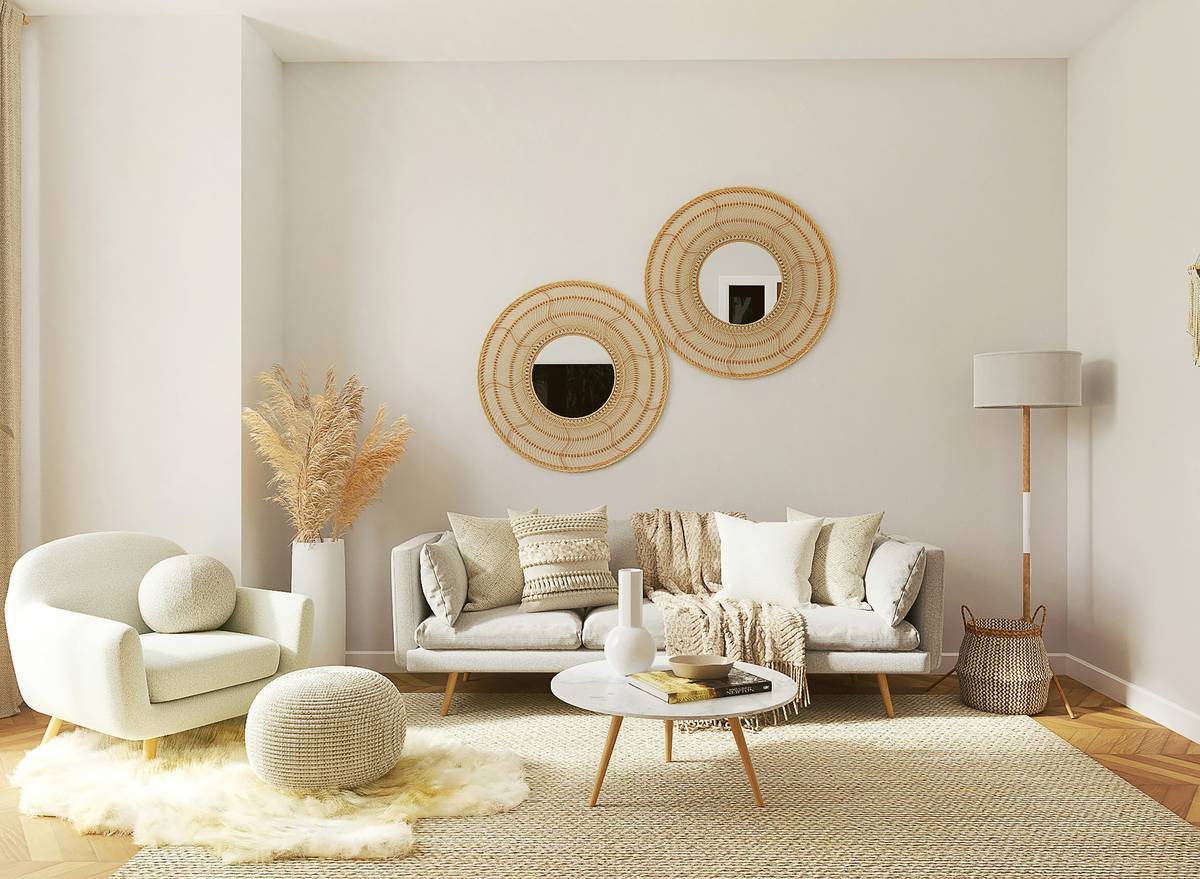
You love the ocean. You crave that breezy, sun-bleached calm. But your last attempt at coastal and nautical bedding ended up looking like a theme park gift shop exploded in your bedroom. Rope-trimmed pillows. Anchor-print duvets. Seashell nightstands. It’s kitsch—not chic. And guests notice. The solution? Strip away the clichés. Build a space that whispers seaside sophistication—not shouts “Ahoy!”
Why Most Coastal and Nautical Bedding Feels Like a Costume
Most designers—and homeowners—confuse nautical decor with maritime memorabilia. Big mistake.
Real coastal style isn’t about literal symbols. It’s about atmosphere. Light. Texture. Airflow. Yet walk into any big-box home store, and you’ll find beds drowning in navy stripes, gold anchors, and ship wheels masquerading as wall art. The result? A room that feels staged, not lived-in.
And here’s the kicker: those “coastal” sets are often made with synthetic blends that trap heat and fade after one summer. They look beachy—but feel like plastic. No wonder the vibe collapses by August.
Building Authentic Coastal and Nautical Bedding: A Step-by-Step Guide
Forget the gimmicks. True coastal bedding is rooted in material honesty and restrained palettes. Follow this sequence:
Start With a Neutral Base—Not Blue
Yes, really. The foundation should be off-white, sand, or soft gray. Think unbleached linen, washed cotton, or lightweight hemp. These mimic driftwood, dunes, and sea mist—not sailboat rigging.
Layer With Textural Contrast
Add depth with waffle weaves, bouclé throws, or hand-tufted coverlets. Texture reads as luxury when color stays quiet. A chunky knit blanket tossed at the foot of the bed? Instant vacation energy.
Introduce Nautical Accents Sparingly
If you must include a motif, limit it to one item—a single pillow with subtle rope stitching, or a duvet with faint wave embroidery. Never match everything. Mismatching creates authenticity.
Prioritize Breathable Fabrics
Cotton percale, Tencel™, bamboo—all perform better in humid climates. They wick moisture, resist mildew, and soften over time. Polyester? It yellows. Avoid it like low tide at a clam bake.
| Material | Coastal Appeal | Durability (Humid Climates) | Avg. Cost Range |
|---|---|---|---|
| Organic Cotton Percale | High – crisp, clean, breathable | Excellent | $80–$200 |
| Linen Blend | Very High – natural wrinkles = charm | Good (may fade in direct sun) | $120–$300 |
| Bamboo Viscose | Moderate – silky but less “textured” | Fair (prone to pilling) | $70–$180 |
| Polyester Microfiber | Low – shiny, static-prone | Poor (traps odor, yellows) | $30–$90 |
The Industry Secret: Salt Spray Testing Isn’t Just for Boats
Here’s something most interior stylists won’t tell you: top coastal furniture makers actually salt-spray test their upholstery fabrics—including bedding textiles—for homes within 5 miles of shorelines. Why? Because airborne salt corrodes fibers faster than UV rays. I once worked with a boutique textile mill in Maine that developed a linen-cotton blend treated with a food-grade mineral finish—it repels salt residue without chemicals. The result? Bedding that lasted three seasons longer than untreated versions. Ask your supplier if their fabrics undergo marine-grade testing. If they blink, walk away.
Frequently Asked Questions
What’s the difference between coastal and nautical bedding?
Coastal leans minimalist—think sandy neutrals and organic textures. Nautical incorporates deliberate maritime cues (ropes, knots, subtle navy), but should never dominate.
Can I use coastal bedding in non-coastal areas?
Absolutely. The style thrives in landlocked spaces—it brings lightness and airiness. Just avoid literal seashell prints unless you’re going for irony.
How do I keep white coastal bedding from yellowing?
Wash monthly with oxygen bleach (never chlorine). Dry in indirect sunlight. Store off-season in cotton garment bags—not plastic.