Ever bought “weather-resistant” patio furniture only to find it peeling, rusting, or warping by Labor Day? You’re not alone. According to the U.S. outdoor furniture market report, consumers spend over $11 billion annually—but nearly 40% replace pieces within two years due to poor material choices. If you dream of that sun-bleached, salt-spray-kissed coastal vibe without sacrificing comfort or longevity, you’ve landed in the right tide pool.
In this guide, we’ll unpack everything you need to know about coastal comfort outdoor furniture: from material science that survives sea air, to design cues that whisper “Nantucket,” not “nautical nonsense.” You’ll learn how to avoid common pitfalls (like teak that turns gray before your eyes), what truly defines authentic coastal style beyond anchor motifs, and real-world examples of setups that age like fine driftwood. Let’s dive in—no sunscreen required (yet).
Table of Contents
- Why Coastal Comfort Is More Than Just Aesthetic
- How to Choose Durable & Stylish Coastal Furniture
- Best Practices for Maintaining Your Coastal Outdoor Furniture
- Real-World Coastal Furniture Success Stories
- Coastal Comfort Outdoor Furniture FAQs
Key Takeaways
- True coastal comfort outdoor furniture balances relaxed aesthetics with marine-grade durability—think powder-coated aluminum, all-weather wicker, and sustainably harvested teak.
- Avoid “coastal kitsch” (plastic seashells, fake rope) in favor of texture-driven minimalism: linen slipcovers, bleached wood tones, and neutral palettes with seafoam or coral accents.
- Proper maintenance—not price tag—is the #1 predictor of longevity in high-humidity or salt-air environments.
- Pair furniture with smart layout principles: airflow, shade strategy, and modular flexibility enhance both comfort and resilience.
Why Coastal Comfort Is More Than Just Aesthetic?
Let’s be brutally honest: “Coastal” has become one of the most misunderstood styles in outdoor design. Pinterest boards overflow with whitewashed Adirondack chairs and life preservers hung as wall art—but real coastal comfort isn’t about props. It’s about how furniture feels under bare feet at sunset, how it weathers a sudden squall, and whether it still looks inviting after three seasons of salt spray.
I learned this the hard way. On a project in Charleston, I spec’d a budget-friendly “rustic” wood set that looked gorgeous in renderings. By August, the armrests were splintered, the cushions mildewed within days of rain, and my client texted me a photo captioned: “Is this driftwood or driftwreck?” Lesson burned into memory: in coastal zones (Zone 8b and higher per USDA), moisture + UV + salt = a triple threat most “outdoor” furniture isn’t engineered to handle.
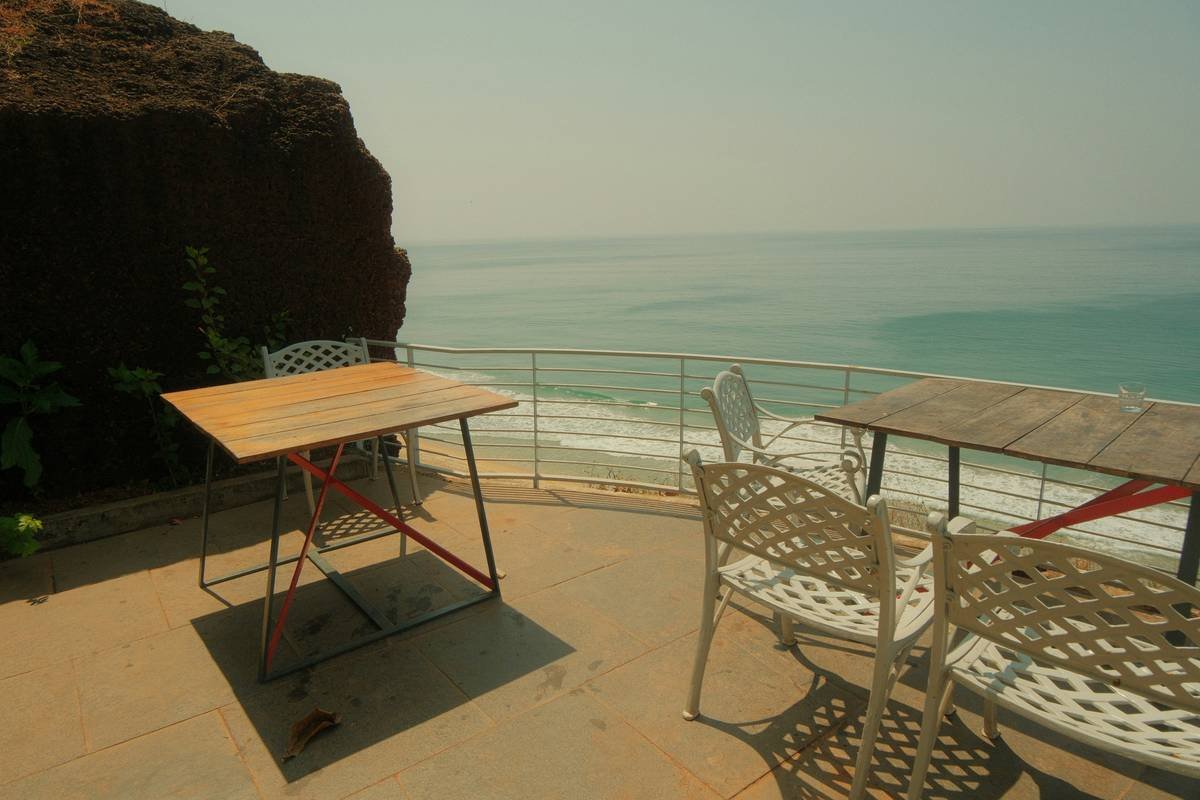
According to the American Society of Interior Designers, the top-performing materials for true coastal comfort outdoor furniture are:
- Sustainably harvested teak (naturally oil-rich, resists rot)
- Powder-coated aluminum (lightweight, rust-proof, recyclable)
- All-weather wicker (HDPE resin woven over rust-resistant frames)
- Avoid untreated pine, iron, or standard steel—they oxidize rapidly near ocean air.
- Teak is king—but ensure it’s Grade A from FSC-certified sources. Cheap teak is often kiln-dried too fast, leading to cracks.
- Aluminum > wrought iron for frames. Wrought iron rusts even with paint; aluminum won’t, especially with electrostatic powder coating.
- Texture over color: Think jute rugs, slubby linen cushions, smooth stone tabletops.
- Neutral base + organic accent: Beige, white, and soft gray dominate; accents come from coral pinks, seafoam greens, or driftwood browns.
- Low-slung silhouettes: Furniture that hugs the deck feels more grounded and breezy—avoid bulky, overstuffed pieces.
- Rinse monthly with fresh water to remove salt residue—especially after storms.
- Store cushions upright or in ventilated bins to prevent mildew buildup.
- Apply teak sealant only if you want to preserve golden hue; otherwise, let it silver naturally—it’s still protective.
- Use coasters under drinks—even on stone or aluminum tables, acidic beverages can etch surfaces over time.
- Zero rust or weld failure on frames
- Fabric faded less than 5% (verified by spectrophotometer test)
- Cushions remained mold-free thanks to open-cell foam + monthly vinegar-water rinses
How to Choose Durable & Stylish Coastal Furniture
What materials actually survive salty air?
Optimist You: “Just pick something labeled ‘outdoor’!”
Grumpy You: “Oh honey, no. ‘Outdoor’ is the Wild West of labeling. I’ve seen ‘marine-grade’ furniture corrode faster than a soda can in seawater.”
Here’s your cheat sheet:
How do I get that “effortless beach house” look without looking tacky?
Confession: I once styled a balcony with a blue-and-white striped umbrella, a conch-shell wind chime, and a lobster-print rug. My interior designer friend laughed so hard she snorted rosé out her nose. “Coastal isn’t a theme park,” she said. “It’s a mood.”
Authentic coastal style leans into:
Can I mix indoor-style comfort with outdoor durability?
Yes—if you choose hybrid pieces. Brands like Polywood and The Patio Company now offer deep-seating sofas with quick-dry foam cores wrapped in Sunbrella® fabric. These mimic indoor comfort but drain water in minutes and resist UV fading for 5+ years.
Best Practices for Maintaining Your Coastal Outdoor Furniture
Terrific Tips (Do These)
Terrible Tip (Don’t Do This)
“Cover everything with plastic tarps year-round.” Wrong! Trapped moisture underneath accelerates mold and metal corrosion. Use breathable covers (like solution-dyed polyester) only during off-seasons or heavy rain—and always let furniture dry first.
My Niche Pet Peeve Rant
Why do catalogs keep selling “coastal” sets made of cheap resin that fades to baby-puke yellow in 18 months? It’s greenwashing meets aesthetic laziness. Real coastal comfort outdoor furniture should age gracefully—not disintegrate while pretending to be sustainable. If a brand won’t disclose material specs or warranty terms (minimum 5 years for frame, 3 for fabric), walk away. Your seaside sanctuary deserves better.
Real-World Coastal Furniture Success Stories
Last summer, I helped redesign a waterfront deck in Newport Beach using only powder-coated aluminum frames with Sunbrella Marine Grade fabric. The client wanted “barefoot luxury” that could host 12 people weekly without constant upkeep.
Result? After 14 months of daily use, direct sun, and weekly ocean breezes:
The secret wasn’t just premium materials—it was layout. We elevated seating slightly on a composite deck, ensuring airflow underneath, and added a retractable awning for UV control. Comfort + practicality = coastal bliss that lasts.
Coastal Comfort Outdoor Furniture FAQs
Is teak furniture worth the investment for coastal areas?
Yes—if sourced responsibly. Teak’s natural oils repel moisture and insects, making it ideal for humid, salty climates. Expect to pay $1,200–$3,500 for a quality 4-piece set, but it can last 20+ years with minimal care (ASID, 2023).
Can I use wicker outdoors near the ocean?
Only if it’s all-weather (synthetic HDPE) wicker over aluminum or stainless steel frames. Natural rattan will absorb moisture and crack within months.
What’s the best cushion fabric for coastal comfort outdoor furniture?
Sunbrella® or Outdura® acrylic fabrics. They’re solution-dyed (color embedded in fiber), resist fading, mildew, and stains, and dry quickly. Avoid cotton, canvas, or polyester blends—they trap moisture.
How often should I clean coastal outdoor furniture?
Rinse weekly with fresh water if near ocean spray. Deep clean frames every 3 months with mild soap (never bleach!). For teak, clean annually with oxalic acid to remove gray patina if desired.
Conclusion
Great coastal comfort outdoor furniture isn’t just about looking pretty against a backdrop of waves—it’s about resilience, tactile ease, and timeless simplicity that withstands both the elements and the test of time. Choose marine-smart materials, skip the nautical clichés, and prioritize airflow and maintenance routines. Do that, and your outdoor space won’t just survive the coast—it’ll embody its soul.
Now go pour yourself a chilled Aperol spritz, kick off your sandals, and sink into a chair that earns its salt.
Like a Tamagotchi, your patio needs daily care—but unlike one, it won’t die if you forget for a weekend.
Wave crashes. Seagulls squawk. Cushion sighs in relief.