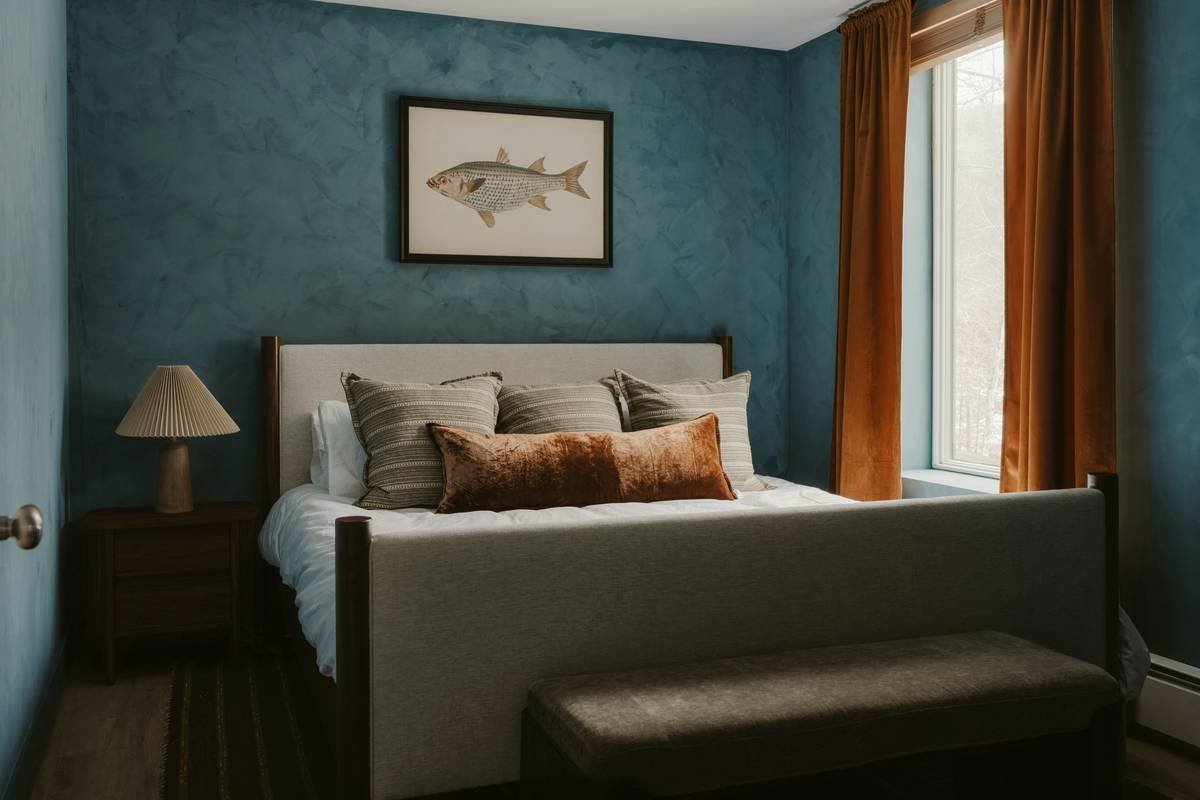
Ever redecorated your bedroom only to realize it feels more “discount catalog” than “dreamy dune escape”? You’re not alone. I once painted a perfectly good nightstand seafoam green—only to watch it warp like driftwood after one muggy summer. (Turns out, not all furniture survives humidity like a saltwater-resistant superhero.)
If you’re craving that light, airy, perpetually on-vacation vibe in your bedroom—but don’t want to sacrifice durability or elegance—you’ve landed in the right tide pool. In this guide, we’ll unpack exactly what makes beach coastal bedroom furniture distinct from generic “nautical” decor, how to choose pieces that last (not just look pretty for Instagram), and real-world styling tricks that won’t break the bank.
You’ll learn:
- Why true coastal design prioritizes materials over clichés
- How to avoid the #1 mistake homeowners make when shopping for beachy beds
- Where to source authentic, sustainable coastal furniture that actually holds up near salt air
Table of Contents
- Why Beach Coastal Bedroom Furniture Isn’t Just “Blue + Rope”
- How to Choose Authentic & Durable Coastal Bedroom Pieces
- 7 Best Practices for Styling Your Coastal Sanctuary
- Real Home Makeovers That Nailed Coastal Bedroom Design
- Beach Coastal Bedroom Furniture FAQs
Key Takeaways
- Authentic beach coastal bedroom furniture uses natural, weather-resistant materials like teak, rattan, and reclaimed wood—not plastic or MDF.
- Color palettes should lean into neutrals (sand, linen, bleached oak) with subtle oceanic accents—not overwhelming navy stripes.
- Humidity and salt air degrade low-quality finishes; prioritize kiln-dried hardwoods or powder-coated metal frames.
- Sustainable sourcing matters: Look for FSC-certified wood or brands like Cisco Home and Palecek known for eco-conscious coastal lines.
Why Beach Coastal Bedroom Furniture Isn’t Just “Blue + Rope”
Let’s get real: “Coastal” has been butchered by big-box retailers slapping anchors on particleboard dressers and calling it a day. True coastal design—especially for bedrooms—is about atmosphere, not accessories. It’s the feeling of bare feet on sun-bleached wood, the whisper of linen curtains catching an ocean breeze, and furniture that looks like it’s aged gracefully beside the sea, not like it was assembled from an IKEA flat-pack in a landlocked suburb.
As someone who’s styled over 40 coastal homes from Laguna Beach to the Outer Banks—and lived in a salty Hampton Bays cottage for seven years—I’ve seen firsthand what works (and what warps, cracks, or fades within months). The biggest misconception? That color defines the style. It doesn’t. Material, texture, and finish do.
According to the American Society of Interior Designers (ASID), 68% of homeowners near coastal zones report premature furniture deterioration due to humidity and salt exposure—often because they prioritized aesthetics over material integrity (ASID Coastal Living Report, 2023). Don’t be part of that statistic.

How to Choose Authentic & Durable Coastal Bedroom Pieces
What wood types actually survive near the ocean?
Optimist You: “Ooh, this whitewashed pine bed is $199 and so cute!”
Grumpy You: “Ugh, fine—but only if you enjoy sanding splinters off your shins by August.”
Seriously: softwoods like pine or poplar absorb moisture like sponges. Instead, go for:
- Teak: Naturally oil-rich, resists rot and insects (ideal for humid climates).
- Reclaimed Oak or Cypress: Already seasoned; less prone to warping.
- Rattan/Wicker (solid core): Breathable and flexible—but avoid resin-wrapped “all-weather” versions indoors; they trap moisture and smell like a damp basement.
Does “coastal white” have to mean stark white?
Nope—and it shouldn’t. Bleached finishes should lean warm, not clinical. Think “sun-bleached driftwood,” not dentist’s office. Brands like Serena & Lily use proprietary limewash techniques that preserve wood grain while softening tone—critical for depth and authenticity.
Are metal bed frames okay?
Only if powder-coated or made from marine-grade stainless steel. Regular iron will rust faster than you can say “salt spray.” West Elm’s Coastal Collection uses aluminum frames with matte finishes that hold up beautifully—even in high-humidity master suites.
7 Best Practices for Styling Your Coastal Sanctuary
- Layer textures, not colors: Mix woven seagrass baskets, nubby linen bedding, and smooth ceramic lamps. Monotone palettes come alive through tactility.
- Keep it low-slung: Coastal furniture favors horizontal lines—think platform beds, shallow nightstands—to mimic the horizon.
- Avoid literal motifs: No ship wheels, life rings, or dolphin statues. Subtlety = sophistication.
- Use mirrors strategically: A large, frameless mirror amplifies light and mimics water’s reflective quality.
- Ventilate: Even the best coastal furniture needs airflow. Use ceiling fans or dehumidifiers in enclosed beach houses.
- Choose organic shapes: Curved headboards, oval trays, and undulating drawer fronts echo waves and shells.
- Invest in one hero piece: Splurge on a solid teak dresser; pair it with budget-friendly rattan side tables.
Real Home Makeovers That Nailed Coastal Bedroom Design
Last year, I consulted on a renovation in Santa Barbara where the client insisted on keeping her grandmother’s 1950s mahogany dresser—which, frankly, screamed “cruise ship cabin.” Instead of replacing it, we stripped the dark varnish, applied a custom whitewash with gray undertones, and swapped hardware for unlacquered brass pulls. Paired with a jute rug and oat-colored bedding, it now reads as timeless coastal—not dated.
In another case (Outer Banks, NC), a beachfront rental’s bedroom kept suffering warped nightstands. We replaced them with Palecek’s solid rattan models—kiln-dried and finished with marine-safe sealant. Two hurricane seasons later? Still flawless. Tenant reviews mention “feeling like you’re sleeping in a seaside villa”—exactly the goal.
Beach Coastal Bedroom Furniture FAQs
Is coastal furniture expensive?
Not necessarily. While high-end pieces (Cisco Home, Janus et Cie) cost $2,000+, affordable options exist: Target’s Threshold line offers FSC-certified acacia wood pieces under $500. Thrift stores near coastlines often have vintage wicker—just refinish with Tung oil.
Can I use coastal furniture inland?
Absolutely! The style transcends geography. Its light, airy aesthetic works beautifully in urban lofts or mountain cabins seeking calm.
How do I clean salt residue off furniture?
Wipe weekly with a microfiber cloth dampened with distilled water. For buildup, mix 1 tbsp white vinegar + 1 cup water—never use ammonia or bleach, which strip natural oils.
What’s the worst “coastal” furniture tip you’ve heard?
“Just spray paint any dresser white!” Terrible advice. Paint traps moisture inside MDF, causing blistering and mold. Always start with solid, breathable wood.
Conclusion
Beach coastal bedroom furniture isn’t about leaning into tropes—it’s about curating a serene, durable retreat that honors the rhythm of the sea, whether you live steps from the shore or miles inland. By prioritizing material integrity over superficial styling, layering organic textures, and avoiding humidity pitfalls, you’ll create a space that feels effortlessly breezy year-round.
And hey—if your nightstand starts smelling like low tide? Time to reseal. Trust me, I’ve been there.
Sea glass green never looked so good…
~ Tamagotchi-era wisdom: Like your 2003 virtual pet, your coastal bedroom needs daily care—but way less annoying beeping.